Power, Actors, and a New Global Order

Theme 2026
Theme 2026
Paint it simply
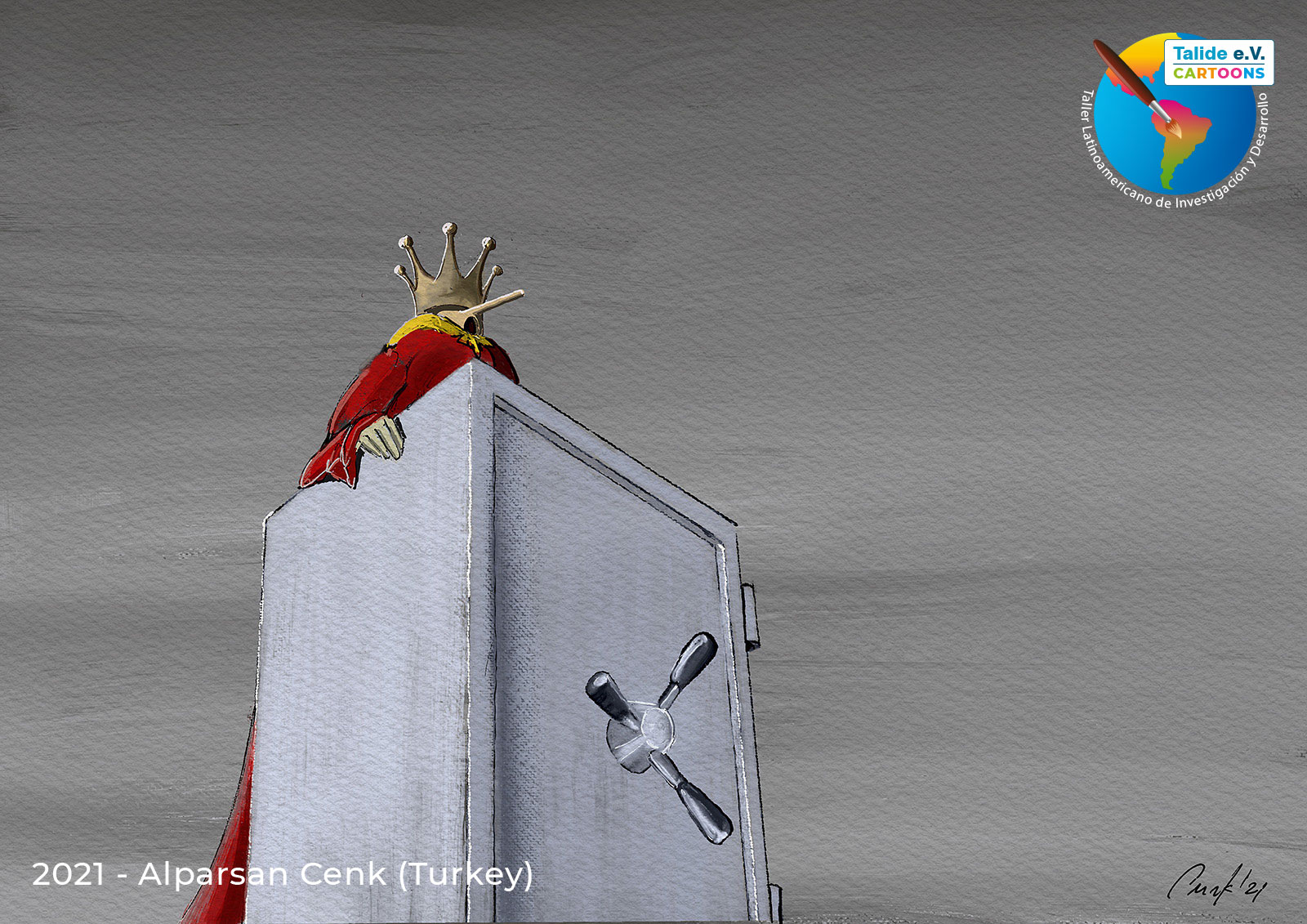
World Power & Reality – Global Order in Transition
The global order is undergoing profound change. Old power structures are being shaken, new actors are emerging, and international institutions are gaining or losing influence.
Key actors include:
- Traditional powers: G7 countries (USA, Germany, France, Japan, etc.)
- Emerging powers: BRICS countries (Brazil, Russia, India, China, South Africa)
- International institutions: UN, WTO, IMF, World Bank
- Private actors: Global corporations, financial institutions, NGOs
The “new global order” describes the shifts in power and the processes through which rules, norms, and resources are distributed worldwide.
Perspective of the Global South
Definition of the Global South:
Regions that historically, economically, and politically have had less influence over global decision-making processes—such as countries in Africa, Latin America, Asia, and Oceania.
People from these regions experience the consequences of the global order directly—through climate impacts, resource extraction, debt burdens, or migration. Their perspectives and opinions are often underrepresented, despite being directly affected.
Perception and Media Representation
Perceptions of the global order are strongly shaped by the media. Reporting often reflects the perspectives of powerful states or economic actors.
Consequence: Certain narratives dominate, while the voices of marginalized groups remain invisible. Transparent and critical media are essential to questioning power relations.
Consequences of an Unequal Global Order
When the global order does not work for everyone, far-reaching consequences arise:
- Increasing social and economic inequality
- Conflicts over resources, the environment, and trade
- Migration and forced mobility
- Political instability and loss of trust in state institutions
- Environmental destruction and disregard for global responsibility
Fields of Action
Government / State:
- Promoting legal reforms to create clear rules and structures
- Strengthening transparency, accountability, and participation
- International cooperation to address global challenges
Private Sector:
- Promoting fair competition
- Combating monopolization and concentration of power
- Responsible use of resources and fair labor conditions
Media & Communication:
- Transparent reporting and oversight of powerful actors
- Exposing injustice and abuse of power
Society / Civil Society:
- Continuous pressure on decision-makers
- Engagement, participation, and public debate
- Making the interests of marginalized groups visible
Key Questions of the New Global Order
- Who shapes the world—and who is left out?
- Whose interests define the global agenda?
- What responsibility do powerful states, corporations, and institutions bear?
- To what extent are the interests and needs of the Global South taken into account?
- How is the global order perceived and represented in the media?
- What hopes, forms of resistance, and alternatives exist?